



Winter in New Zealand doesn't feel like sunburn weather. Once the temperature drops and the sun sits lower in the sky, many people pack their hat and sunglasses away until summer. But UV radiation and air temperature are two separate things, and that gap is exactly why so many Kiwis get caught out during the colder months.
Winter UV levels are lower, but they're not zero
Earth Sciences NZ (previously known as NIWA) measurements show New Zealand's winter UV Index rarely climbs above 2 to 3, well below the summer peaks that can exceed 12 in the far north. On paper, that sounds low enough to ignore. In practice, the World Health Organisation's own guidance draws the line at a UVI of 3, which is the point where the Sun Protection Alert kicks in. Cold, clear winter days in the South Island and central alpine regions regularly sit right on that threshold, especially around midday.
Cloud cover doesn't solve the problem either. UV radiation still gets through the clouds, and the UV Index can be 3 or higher even on an overcast day. Judging your exposure by how warm the day feels is one of the easiest ways to get burnt and suffer skin damage in winter without realising it.
Snow, altitude, and glare change the equation
This is where winter sun protection actually becomes more important than most people assume, not less.
- Snow reflection. Fresh snow reflects a huge share of UV radiation back up at you. Estimates from health and atmospheric sources put snow's UV reflectance somewhere between 50 and 88%. If you're on the ski field or tramping across a snowfield, you're getting hit by direct UV and reflected UV at the same time.
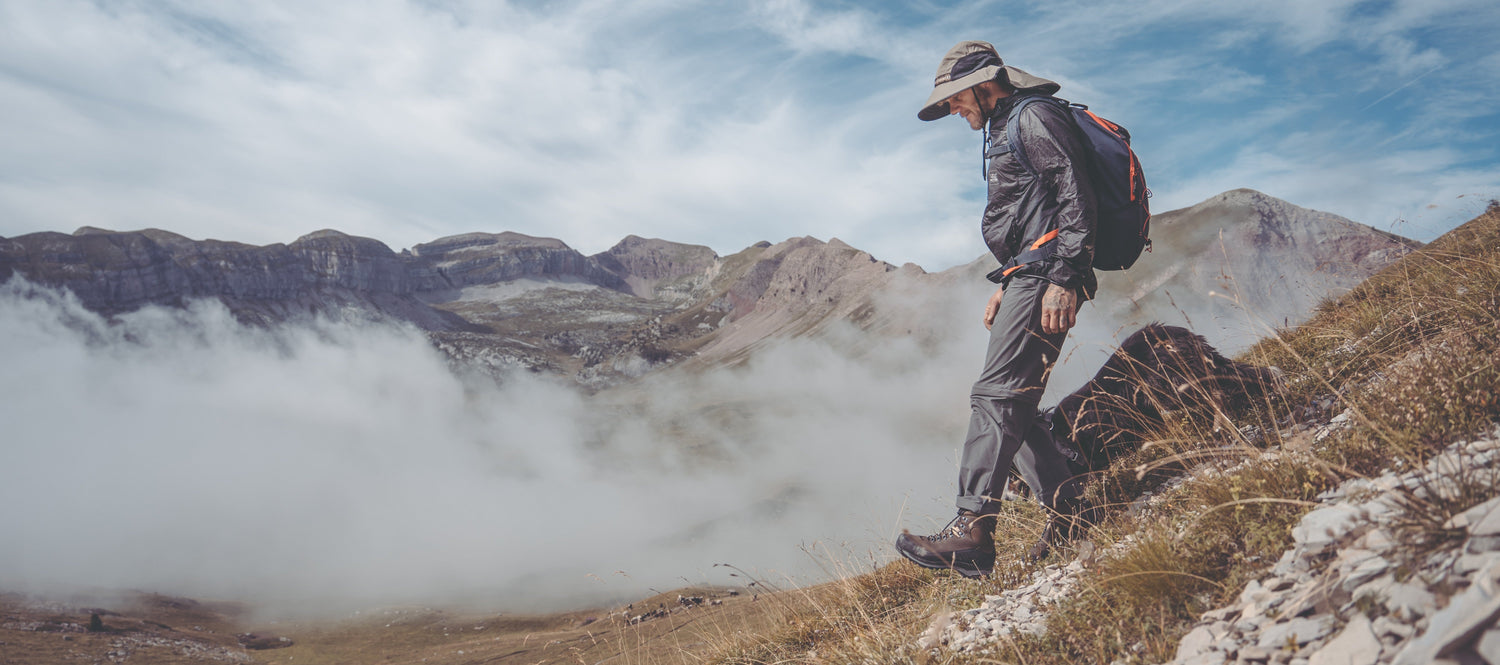
- Altitude. UV intensity increases as you climb. Clean mountain air lets more radiation through, with UV exposure rising by roughly 5% for every kilometre of altitude gained. Anyone heading up to Queenstown's ski fields, hiking the high country, or hunting the alpine tracks is exposed to noticeably higher UV than someone at sea level, even on the same clear day.
- Face and eye exposure. Mountaineers and alpine hikers face a double hit of overhead sun and reflected glare off the snow, which is exactly the combination that causes photokeratitis, better known as snow blindness. A broad-brimmed hat that shades the face and neck does real work here alongside sunglasses or goggles.
Everyday winter exposure adds up too
You don't need to be on a ski field for this to matter. Dog walks, weekend hikes, gardening, coastal walks, and even driving all add incidental UV exposure across the cooler months. Official guidance from SunSmart recommends protecting skin and eyes year-round whenever you're in the mountains, on the water, or around snow and ice, not just during the official September to April alert period.
Winter sun damage tends to be cumulative rather than dramatic. It's rarely a single bad burn. It's the years of low-grade exposure on clear, cold days that catch up on skin health over time.
What this means for sun protection habits
- Don't rely on temperature as a guide. Check the UV Index instead, using a tool like the UVNZ app, rather than judging by how hot the day feels.
- If snow, altitude, or water are involved, treat it like a high-UV day regardless of the season.
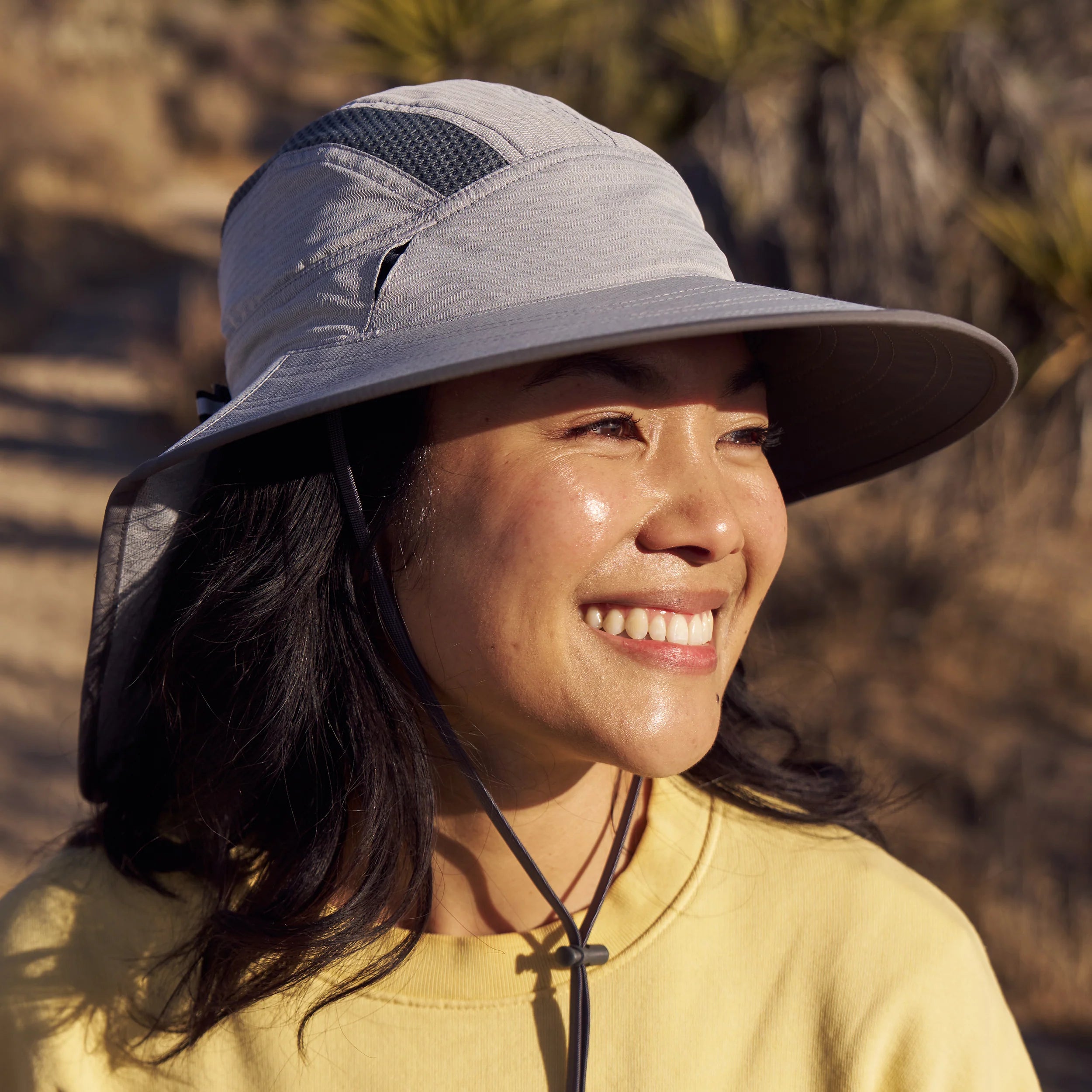
- A wide-brim hat with genuine coverage does more for your face, ears, and neck than sunscreen alone, particularly on windy alpine days when reapplying sunscreen isn't practical.
- Build sun protection into winter outdoor gear checklists the same way you'd pack thermals or a rain shell. It's part of being prepared, not an extra step.
Winter sun protection isn't about matching summer habits. It's about recognising that altitude, snow, and time outdoors on clear days create real UV exposure, even when the air feels cold enough to justify skipping the hat.